Eṣfahānī, Sayyed Abū al-Hasan, a Twelver Shiite senior jurist (marja‛) of the nineteenth and twentieth/thirteenth and fourteenth centuries (1867–1946/1246–1325.).
He was born in 1867/1284 in Madīse, a village in the Lenjān* district of Isfahan1 and became known by the epithet Madīseʾī,2 although he never used it himself. His lineage, through twenty-eight generations, traces back to seventh Shiite Imam Mūsā Kāẓem.3 His father was named Sayyed Muhammad and his grandfather Sayyed ‛Abd al-Ḥamīd. His ancestors, prior to Sayyed ‛Abd al-Ḥamīd, resided in Behbahān, and in some sources he is referred to as al-Behbahānī al-aṣl (“originally from Behbahān”)4. While his father was not a religious scholar, his grandfather was a prominent religious figure and a student of Sheikh Mūsā, the son of Ja‛far Kāshef al-Gheṭāʾ, as well as a disciple of Muhammad-Hasan Najafī*, known as Ṣāḥeb-e Jawāher al-Kalām. He is also reported to have compiled transcriptions of jurisprudential lectures delivered by him.5
Sayyed Abū al-Hasan Eṣfahānī received part of his elementary education in his native village, and at the age of ten—or according to some accounts, upon reaching the age of puberty—he moved to Isfahan and took residence in the Mīrzā Hussein seminary located in the Bīdābād* quarter. In Isfahan, he studied Arabic literature, intermediate levels of jurisprudence, legal theory, and rational sciences under several prominent scholars, including Sayyed Muhammad-Mahdi Naḥvī, Mullā Muhammad Kāshī*, Mīrzā Jahāngīrkhān Qashqāʾī, Sayyed Moḥammad-Bāqer Dorcheʾī, Sayyed Moḥammad-Hāshem Chahārsūqī*, and Shaikh Muhammad, the son of Ḥājj Muhammad-Ebrāhīm Karbāsī. He completed part of his advanced studies in jurisprudence and legal theory under various scholars in Isfahan, and in 1889/1307—or according to other accounts, in 1890/1308—he traveled to Najaf to advance his knowledge. There, he attended the lectures of Mīrzā Ḥabībullāh Rashtī and Ākhūnd Mullā Muhammad-Kāẓem Khurāsānī in jurisprudence and legal theory. After the death of Ākhūnd Khurāsānī in 1911/1329, he became recognized as a distinguished instructor and began teaching jurisprudence and legal theory. A number of students attended his courses, and his reputation gradually increased. He soon attained a limited religious leadership. However, after the deaths of Muhammad-Taqī Shīrāzī, Sharī‛at Eṣfahānī*, and Muhammad-Hussein Nāʾīnī* in 1936/1355, he emerged as the unrivalled and singular senior jurist (marja‛) of the Shīʽa. During this period, Shiites from Iraq, Iran, Afghanistan, India, and other regions came to regard him as their sole religious authority and followed his rulings.6
Among Sayyed Abū al-Hasan Eṣfahānī’s most prominent students—some of whom also compiled transcriptions of his lectures—were Āqā Buzurg Shāhrūdī, Sayyed Abū al-Qāsem Taqavī Qazvīnī, Hasan Sīyyādatī Sabzevārī, Hussein Ḥellī, Ali ‛Alyārī Tabrīzī, Muhammad-Taqī Āmulī, Muhammad-Hussein Najafī Kalbāsī, Muhammad-Reza Ṭabasī, Sayyed Maḥmūd Emām-Jum‛e Zanjānī, and Mūsā Rahnamā Māzandarānī.7. Some sources8 have mistakenly counted individuals such as Sayyed Jamāl Gulpāyegānī—who was in fact a student of Mīrzā Nāʾīnī—among Eṣfahānī’s disciples.
Although Sayyed Abū al-Hasan Eṣfahānī had studied philosophy and metaphysics under some of the renowned philosophers of Isfahan, he was disinclined towards the promotion of philosophical instruction in the Najaf seminary9 and officially prohibited the teaching of this subject there. It is even reported that he requested Sayyed Hasan Masqaṭī—who was a teacher of philosophy, a mystic, and a student of Sayyed Ali Qāḍī Ṭabāṭabāʾī—to leave Najaf and relocate to Masqaṭ.10
Both before and after becoming the highest-ranking Shiite jurist, Sayyed Abū al-Hasan Eṣfahānī did not refrain from political engagement.11 The most significant political event of his life was his exile from Najaf to Iran due to his opposition to the Iraqi elections. On 4 July 1923/13 Tīr 1302, tensions arose between Shiite scholars and senior jurists and King Feyṣal I of Iraq, particularly on the religious prohibition of the Iraqi elections. These elections, organized by the British-backed government, were intended to establish a Constituent Assembly that would legitimize the British mandate over Iraq. In response, King Feyṣal ordered the exile of some forty religious figures—including Sheikh Mahdi Khāleṣī to the Hijaz and Sayyed Abū al-Hasan Eṣfahānī to Iran. Sayyed Abū al-Hasan Eṣfahānī was warmly received in Iran and spent a period residing in Qum. After eleven months, following negotiations between the Iranian government and King Feyṣal’s regime, the exiled scholars—except for Sheikh Mahdi Khāleṣī—were permitted to return to Iraq on the condition that they abstain from political activities. Sayyed Abū al-Hasan Eṣfahānī returned to Iraq during that time.12
On 22 March 1924/25 Sha‛bān 1342, Sayyed Abū al-Hasan Eṣfahānī, along with prominent scholars such as ‛Abd al-Karīm Ḥāʾerī Yazdī and Muhammad-Hussein Nāʾīnī, issued a joint declaration expressing their firm opposition to the proposed republican system in Iran and urging Reza Khān to establish a monarchy. Referring to this statement, Eṣfahānī forbade others from pursuing the republican project and instead directed political developments towards the formation of the Pahlavi monarchy.13 Following Reza Khān’s rise to power and the enforcement of the law requiring uniform national dress, many clerics were permitted to wear clerical attire only with official authorization from recognized religious authorities.14 In response, Sayyed Abū al-Hasan Eṣfahānī issued thousands of Ejazāt (scholarly concessions)15—including permissions for Ejtehād and taking charge of religious affairs16—to members of the clergy, thereby playing a vital role in preserving the status of the clerical class. Of course, this does not mean overlooking the numerous scholarly concessions he issued prior to Reza Khan’s rise to power.
Sayyed Abū al-Hasan Eṣfahānī passed away on 4 November 1946/13 Ābān 1325 in Kāẓemayn. His funeral procession was held with great solemnity, attended not only by Shiites but also by many Sunnis, Jews, and Christians. He was buried in Najaf, within the courtyard of the shrine of Imam Ali. To mark his passing, government offices and the bazaar in Tehran were closed, and mourning gatherings were held across various cities in Iran, Iraq, and Syria.17 Numerous poets composed elegies and lamentations in his honor, and several Persian and Arabic-language journals published biographical articles commemorating his life, virtues, and contributions to the promotion of Shiism.18
Sheikh Āqā Buzurg Ṭehrānī—who had attended the classes of Ākhūnd Khurāsānī alongside Eṣfahānī and had a close relationship with him for many years afterward—along with Sayyed Muḥsen Amīn and many others, described Eṣfahānī as a distinguished jurist known for his eloquence, intelligence, sharp memory, piety, simplicity of life, and admirable character. He was praised for his qualities of forgiveness, patience in times of hardship, generosity, concern for the needs of others—particularly students of religious sciences—and overall for his worthiness and qualification for religious authority and leadership of the Shiite community.19 Among his noted virtues was extraordinary patience in the face of divine trials. On the night of 13 July 1930/22 Tīr 1309, his eldest son, Sayyed Muhammad-Hasan, was mysteriously killed during congregational prayer while attending his father’s gathering. Sayyed Abū al-Hasan Eṣfahānī exhibited such remarkable forbearance in this tragic event that it astonished all who witnessed it. This incident was reported in full by a contemporary witness, Naqavī.20 Several individuals have also reported spiritual miraculous acts attributed to him and regarded him as a figure favored and guided by God’s saints and holy men (awlīyāʾ).21
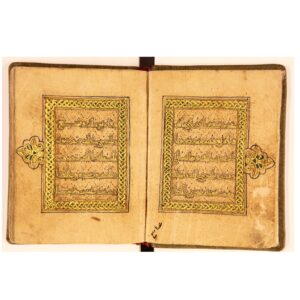
All of Sayyed Abū al-Hasan Eṣfahānī’s written works are in the fields of jurisprudence and legal theory. His major works include: 1) a commentary on Kefāyat al-Uṣūl; 2) Wasīlat al-Najāt, his practical legal manual (resāle-ye ‛amal‛yye); 3) Dhakhīrat al-‛Ebād; 4)Dhakīrat al-Ṣāleḥīn; 5) Anīs al-Muqalledīn; 6)Muntakhab al-Rasāʾel; 7) Ṣerāṭ al-Najāt, a Persian translation of Wasīlat al-Najāt; 8) a marginal commentary on al-‛Urwa al-Wuthqā; 9) a marginal note on Najāt al-‛Ebād; 10) Manāsek al-Ḥajj; and, 11) a marginal note on Tabṣerat al-Muta‛allemīn.22 Among these, Wasīlat al-najāt received considerable attention from subsequent Imāmī jurists, at least thirty of whom composed glosses and commentaries on it. Notable among them are Sayyed Abū al-Qāsem Khūʾī, Sayyed Muhammad-Hādī Mīlānī, Imam Khomeini, Sayyed Muhammad-Reza Gulpāyegānī, Sayyed Shahāb al-Dīn Mar‛ashī, Javād Tabrīzī, Muhammad-Taqī Bahjat, Sayyed ‛Ezz al-Dīn Zanjānī, Muhammad Fāḍel Lankarānī, and Nāṣer Makārem Shīrāzī.23
In addition to numerous Persian and Arabic books that include sections on the life of Sayyed Abū al-Hasan Eṣfahānī, several monographs have also been written specifically about him.24 Among the most notable of these is Shenākht-nāmeh-ye Marḥūm Āyatullāh Sayyed Abū al-Hasan Eṣfahānī 25(“A Biographical Study of the Late Āyatullāh Sayyed Abū al-Hasan Eṣfahānī”).26
/Mahdi Baqeri Sīyānī/
Bibliography
Amīn, Muḥsen, A‛yān al-Shī‛a, ed. Hasan Amīn, Beirut: Dār al-Ta‛āruf li-l-Maṭbūʿāt, 1983/1403.
Āqā Buzurg Ṭehrānī, Muhammad-Muḥsen, al-Dharī‛a ilā Taṣānīf al-Shī‛a, ed. Ali-Naqī Munzavī and Aḥmad Munzavī, Beirut: Dār al-Aḍwāʾ, 1983/1403.
Āqā Buzurg Ṭehrānī, Muhammad-Muḥsen, Ṭabaqāt A‛lām al-Shīʿa: Nuqabāʾ al-Bashar fī al-Qarn al-Rābe‛ ‛Ashar, vols. 1–4, Mashhad: Dār al-Murtaḍā, 1984/1404.
Bāqerī Sīyānī, Mahdi, Ejāzāt, Asnād wa Esteftāʾāt-e Āyatullāh Sayyed Abū al-Hasan Eṣfahānī, Qum: Muʾassase-ye Ketābshenāsī-ye Shīʿa, 2022/1401.
Emāmī Khūʾī, Muhammad-Amīn, Merʾāt al-sharq: Mawsū‛at Tarājem A‛lām al-Shī‛a al-Imāmīyya fī al-qarnayn al-thāleth ‛ashar wa al-rābe‛ ‛ashar, ed. Ali Ṣadrāʾī Khūʾī, Qum: Maktabat Āyatullāh al-Mar‛ashī al-Najafī, 2006/1385.
Ḥusaynī Ṭehrānī, Muhammad-Hussein, Rūḥ-e Mujarrad: Yādnāme-ye Muwaḥḥed-e ‛Aẓīm wa ‛Āref-e Kabīr Ḥājj Sayyed Hāshem Mūsawī Ḥaddād, Mashhad: ‛Allāme Ṭabāṭabāʾī, 2004/1425.
Khalīlī, Ja‛far, Hākadhā ‛Araftuhum, [Baghdad: n.p.], 1963.
Makkī, Hussein, Tārīkh-e Bīst Sāla-ye Iran, vol. 3, Tehran: Nashr-e Nāsher, 1983/1362.
Mar‛ashī, Mahmūd, al-Musalsalāt fī al-Ejāzāt, Qum: Maktabat Āyatullāh al-Mar‛ashī al-Najafī, 1995/1416.
Meybudī, Nāṣer, Serāj al-Ma‛ānī dar Aḥwālāt-e Emām Sayyed Abū al-Hasan Eṣfahānī, Mashhad: Ardeshīr, 1996/1375 Sh.
Mu‛allem Ḥabībābādī, Muhammad-Ali, Makārem al-Āthār, vol. 7, Isfahan: Anjuman-e Ketābḵānehā-ye ‛Umūmī-ye Eṣfahān, 1995/1374.
Mubārakeʾī Eṣfahānī, Muhammad-Ali, Guzīde-ye Dāneshvārān wa Rejāl-e Eṣfahān, ed. Raḥīm Qāsemī, Qum: Muʾassase-ye Ketābshenāsī-ye Shīʿa, 2014/1393.
Naqavī, Ali Naqī, Aqrab al-Mujāzāt elā Mashāyekh al-Ejāzāt, Karbala: al-‛Ataba al-‛Abbāsīyya al-Muqaddasa, Maktabat wa Dār al-Makhṭūṭāt, 2016/1437.
Shenākhtnāme-ye Marḥūm Āyatullāh Sayyed Abū al-Hasan Eṣfahānī, Isfahan: Vespān, 2008/1387.
Shubeyrī Zanjānī, Mūsā, Jur‛e-ī az Daryā, Qum: Muʾassase-ye Ketābshenāsī-ye Shīʿa, 2010/1389.
Sīyāsat wa Lebās: Guzīde-ye Asnād-e Mutaḥed al-Shekl Shudan-e Albase, ed. Muhammad-Hussein Manẓūr al-Ajdād, Tehran: Sāzmān-e Asnād-e Mellī-ye Iran, 2001/1380 Sh.
- Amīn, vol. 2, p. 331; Ṭehrānī, 1984/1404, part 1, p. 41; Mu‛allem Ḥabībābādī, vol. 7, pp. 2585, 2587; Meybudī, p. 74.[↩]
- Mubārakeʾī Eṣfahānī, p. 67; Bāqerī Sīyānī, vol. 1, p. 21; vol. 3, p. 686.[↩]
- Mu‛allem Ḥabībābādī, vol. 7, pp. 2586, 2592, 2596; cf. Meybudī, pp. 73–74, who states that his lineage traces back to Imam Kāẓem through thirty-two generations.[↩]
- Amīn, vol. 2, p. 331; Aqā Buzurg Ṭehrānī, 1984/1404, part 1, p. 41; Meybudī, pp. 73–74; cf. [1] Mu‛allem Ḥabībābādī, vol. 7, p. 2593, who—based on Sayyed Abū al-Hsan Eṣfahānī’s genealogy—rejects the notion that his ancestors were from Behbahān.[↩]
- Amīn, vol. 2, p. 332; Aqā Buzurg Ṭehrānī, 1984/1404, part 1, p. 41; Mu‛allem Ḥabībābādī, vol. 7, p. 2586; Meybudī, p. 78; for images of the first and last pages of the aforementioned transcriptions, see: Meybudī, pp. 79–80; cf. Mubārakeʾī Eṣfahānī, p. 70, who does not exempt his grandfather and considers all his forefathers to have been farmers.[↩]
- See: Amīn, vol. 2, p. 332; Aqā Buzurg Ṭehrānī, 1984/1404, part 1, p. 41; Mu‛allem Ḥabībābādī, vol. 7, pp. 2585–2590; Mubārakeʾī Eṣfahānī, pp. 67–68, 70; Meybudī, pp. 81–82, 85, 87–88; cf. Mu‛allem Ḥabībābādī, vol. 7, pp. 2585, 2588, who dates his journey to the ʿAtabāt to 1310 Sh.; Emāmī Khūʾī, vol. 1, p. 184; Meybudī, pp. 91–93, who also lists Sayyed Muhammad-Kāẓem Yazdī, Mīrzā Muhammad-Taqī Shīrāzī, and Sharī‛at Eṣfahānī among his teachers in Najaf.[↩]
- Bāqerī Sīyānī, vol. 4, pp. 294–296.[↩]
- Meybudī, p. 178. [↩]
- See: Bāqerī Sīyānī, vol. 1, p. 170.[↩]
- See: Ḥusaynī Ṭehrānī, pp. 102–103.[↩]
- For some of his political activities, see: Khalīlī, vol. 1, p. 106; Meybudī, pp. 305–312.[↩]
- See: Amīn, vol. 2, p. 332; Mu‛allem Ḥabībābādī, vol. 7, p. 2590; Meybudī, pp. 272–276, 278–292; cf. Mubārakeʾī Eṣfahānī, p. 70, who gives 1342 as the year of Sayyed Abū al-Hasan Eṣfahānī’s exile to Iran. [↩]
- Makkī, vol. 3, pp. 14–15.[↩]
- See: Sīyāsat wa Lebās, pp. 3–4.[↩]
- Including licenses for Ejtehād and for undertaking religious responsibilities.[↩]
- Mar‛ashī, vol. 1, p. 361; Bāqerī Sīyānī, vol. 1, p. 32; for the full text of many of his Ejāzāt for Ejtehād and transmission of hadiths, as well as authorizations for ḥesbīya matters and their images, see: Shenākhtnāme-ye Marḥūm Āyatullāh Sayyed Abū al-Ḥasan Eṣfahānī, pp. 453–503; Bāqerī Sīyānī, vol. 1, pp. 133–769; vol. 2, pp. 14–779; for names of many recipients of his authorizations, see: Shenākhtnāme-ye Marḥūm Āyatullāh Sayyed Abū al-Hasan Eṣfahānī, pp. 447–452; Bāqerī Sīyānī, vol. 1, pp. 784–822.[↩]
- Emāmī Khūʾī, vol. 1, pp. 187–188; Amīn, vol. 2, pp. 332–333; Mu‛allem Ḥabībābādī, vol. 7, p. 2597; Meybudī, pp. 336–338.[↩]
- For some of these elegies, see: Amīn, vol. 2, pp. 334–335; Aqā Buzurg Ṭehrānī, 1984/1404, part 1, pp. 41–42; Meybudī, pp. 338–341. For several of the commemorative articles written on his life and virtues, see: Mu‛allem Ḥabībābādī, vol. 7, pp. 2596–2598; cf. vol. 7, p. 2586, which states that he died in Sāmerrā.[↩]
- Emāmī Khūʾī, vol. 1, pp. 183–186; Amīn, vol. 2, p. 332; Aqā Buzurg Ṭehrānī, 1984/1404, part 1, p. 41; Mu‛allem Ḥabībābādī, vol. 7, p. 2596.[↩]
- Naqavī, p. 432.[↩]
- For example, see: Meybudī, pp. 232–248.[↩]
- Aqā Buzurg Ṭehrānī, 1983/1403, vol. 25, p. 85; Amīn, vol. 2, pp. 332–333; Mu‛allem Ḥabībābādī, vol. 7, pp. 2586, 2590; Marʿashī, vol. 1, p. 361; Meybudī, pp. 217–219.[↩]
- Marʿashī, vol. 1, p. 361; Meybudī, pp. 222, 224–225, 228–229, 231; for names of other Imami jurists who wrote commentaries on Wasīlat al-Najāt, see: Meybudī, pp. 220–230.[↩]
- For their names, see: Shenākhtnāme-ye Marḥūm Āyatullāh Sayyed Abū al-Hasan Eṣfahānī, pp. 25–27.[↩]
- Compiled and edited by Muʾassase-ye Ketābshenāsī-ye Shīʿa, Isfahan: Vespān, 2008/1387.[↩]
- For a list of these monographs and brief descriptions, see: Shenākhtnāme-ye Marḥūm Āyatullāh Sayyed Abū al-Hasan Eṣfahānī, pp. 14–24.[↩]