Eṣfahānī, Gūyesh (Dialect) Introduction Isfahanī is one of the dialects of Persian that exhibits mutual
Jūbāre, the oldest neighborhood and historical district of Isfahan, predominantly inhabited by Jews. The area
Bannā, Muhammad b. Yūsuf – Ṣūfī and hadith transmitter from Isfahan in the 9th/3rd century.
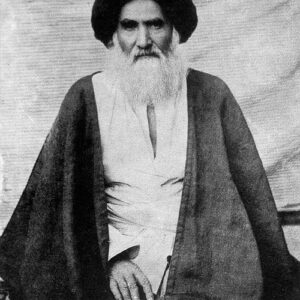
Eṣfahānī, Sayyed Abū al-Hasan, a Twelver Shiite senior jurist (marja‛) of the nineteenth and twentieth/thirteenth
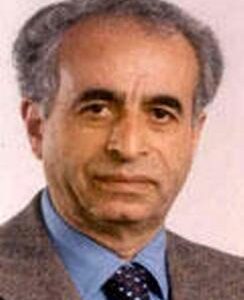
Falāṭūrī, ‛Abd al-Javād, a contemporary Islamic scholar and author of works on comparative philosophy (1925–1996).
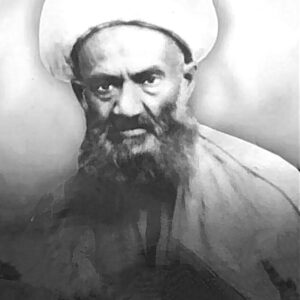
Nukhudakī Eṣfahānī, Hasan-Ali, Emāmī scholar and mystic from Isfahan in the late 19th and early
Qashqāʾī, Jahāngīr-Khān, teacher of philosophy and some Islamic sciences in the 19th and 20th centuries/13th
Dardasht/Bābuldasht/Bābeldasht, one of the old quarters of Isfahan, located in the northern part of the
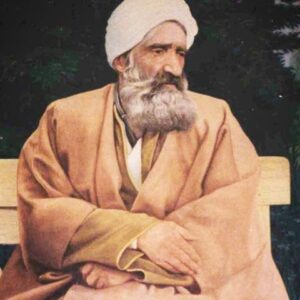
Ṣafī ‛Alīshāh, Mīrzā Hasan Eṣfahānī a prominent Sufi of the Ne‛matullāhī* order in the 13th
Ali b. Sahl Eṣfahānī, a Sufi and hadith transmitter of the 3rd/9th and 4th/10th centuries.