Rose of Isfahan (Gul-e Surkh-e Isfahan), The rose of Isfahan, the floral emblem of Isfahan,
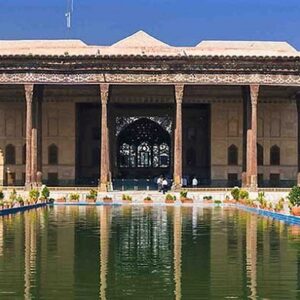
Chehel Sutūn, a ceremonial palace from the Safavid* period in Isfahan, featuring twenty columns.1 The
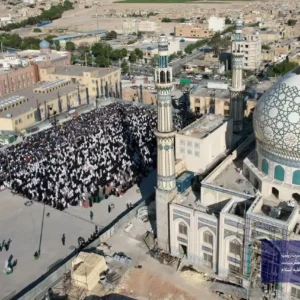
Zeynabīyye (Arzanān), a quarter located in the northeast of the city and part of District
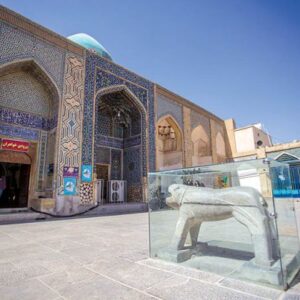
Shahshahān, mausoleum, a structure dating to the 15th/9th century in Isfahan.1 The mausoleum of Shahshahān
Vāḥed al-‛Ayn Eṣfahānī, Mullā Esmā‛īl, was a sage and teacher of Islamic philosophy in the
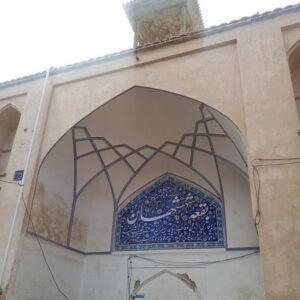
Darb-e Emām, a mausoleum, a shrine located in the Sunbulestān quarter of Isfahan. The shrine
‛Arūs al-Zuhhād, ascetic and hadith transmitter from Isfahan in the 8th/2nd century. Abū ‛Abdullāh Muhammad
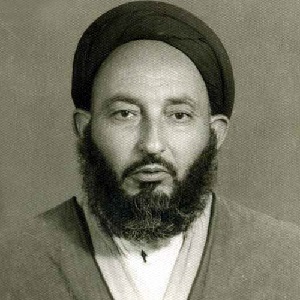
Shamsābādī, Sayyed Abul-Hasan Āl-e Rasūl,a jurist and a preacher of the contemporary period (1902-1976/1281-1355). He
Emāmī Esfahānī, a family of monumental inscriptionists in the 17th–18th centuries (11th–12th). According to the
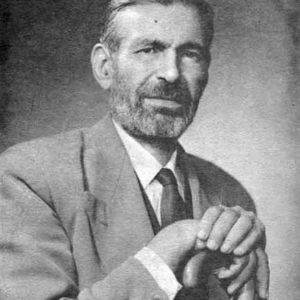
Shahnāz, Jalīl, a distinguished long-necked lute (tār) player and master improviser of contemporary Iranian music.
Mu‛īn-‛Abbāsī, Sayyed ‛Abbās, blind musician and educator active in teaching music to the blind in