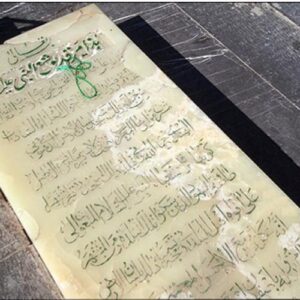
Joshua the Prophet (Yūsha‛ Nabī), The tomb and mausoleum within the Takht-e Fulād* cemetery. It
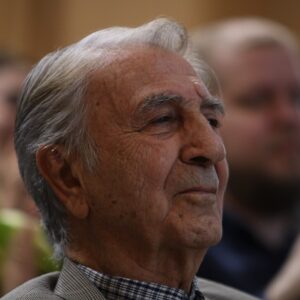
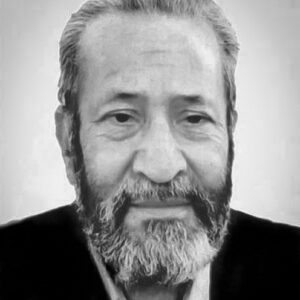
Shafaqī, Sīrūs (1933–2023/1312–1402), a contemporary geographer and scholar on Isfahan. He was born in Urmia,
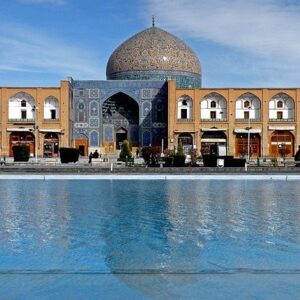
Sheikh Lutfullāh Mosque. A building from the first half of the 17th/11th century, dating back
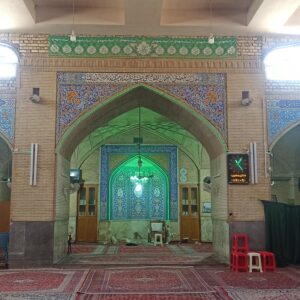
Kamarzarrīn, Mosque, one of the ancient mosques of Isfahan, located at the end of the
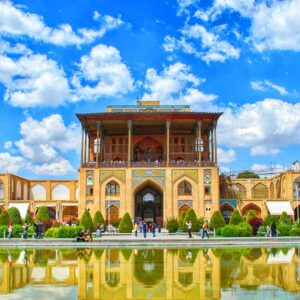
‛Ālī-Qāpū, name of a building located on the western side of Naqsh-e Jahān Square.1 This
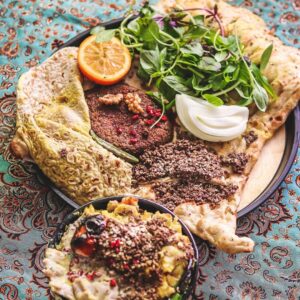
Beryān, a renowned, savory, fatty dish, often served for lunch. The dish, which is called
Mahdavī, Muṣleḥ al-dīn, a contemporary biographer and Isfahan researcher (1915/1334–1995/1374). Sayyed Muhammad-Hussein Mahdavī Eṣfahānī, known
Abū-Muslem Eṣfahānī, Muhammad Ebn Baḥr, a littérateur, lexicographer, grammarian, poet, kāteb, and Quran exegete of
‛Emrānī, a Jewish poet and writer from Isfahan in the 15th–16th/9th–10th centuries, (1454/858–alive in 1536/943).
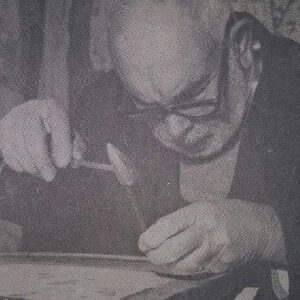
Dhūfan, Muhammad-Taqī, a prominent contemporary shrine builder and a master metal engraver (1900–1978 / 1279–1357).1
Esther Khātūn, one of the most renowned Jewish pilgrimage sites in Iran, is located in
Tamhīd al-Qawā‛ed, A treatise on theoretical Sufism written in Arabic by Ṣāʾen al-Dīn Ali b.